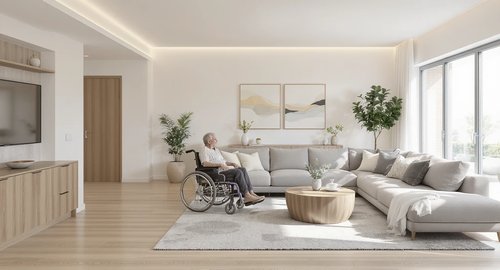
Modern Homes Are Redefining Comfort Through Flexible Spaces
The idea of a comfortable home has evolved significantly over the past decade. Instead of focusing solely on square footage or luxury features, homeowners are placing greater value on spaces that adapt to changing lifestyles. Families work from home, children study online, hobbies require dedicated areas, and entertaining guests often calls for versatile layouts. As a result, flexibility has become one of the most desirable qualities in modern home design.
Rather than creating rooms with a single purpose, architects and homeowners are embracing multifunctional spaces that can change according to daily needs. This shift not only improves convenience but also ensures that homes remain practical for years to come.
Living Areas That Adapt To Everyday Needs
Open concept living rooms continue to be popular, but today’s designs go beyond removing walls. Modern living spaces are created with flexibility in mind, allowing furniture arrangements to change effortlessly for family gatherings, quiet evenings, or productive work sessions.
Modular sofas, movable storage units, and foldable furniture make it possible to transform a room without expensive renovations. Large windows and thoughtful lighting further enhance these adaptable spaces, making them feel welcoming regardless of how they are being used.
For homeowners interested in innovative design ideas, taking time to learn more about flexible furniture systems and multifunctional layouts can provide valuable inspiration for future home improvements.
Smart Storage Creates More Functional Homes
One of the biggest challenges in any home is maintaining organization while avoiding unnecessary clutter. Flexible homes solve this problem by incorporating storage directly into the design.
Built in shelving, under stair cabinets, hidden compartments, window seating with storage, and custom closets maximize available space without sacrificing style. These solutions allow homeowners to keep everyday essentials accessible while maintaining clean and organized interiors.
Creative storage also makes smaller homes feel larger by reducing visual distractions and improving overall functionality.
Outdoor Spaces Becoming Natural Extensions
Modern comfort is no longer limited to indoor living areas. Patios, balconies, courtyards, and gardens have become valuable extensions of the home itself.
Comfortable seating, outdoor kitchens, weather resistant furniture, and covered entertaining areas encourage families to spend more time outside. These flexible outdoor environments support relaxation, dining, exercise, and social gatherings throughout the year.
Many homeowners also install movable planters and portable shade systems that allow outdoor layouts to change depending on seasons or special occasions.
Technology Supporting Flexible Living
Technology plays an important role in helping homes adapt to changing routines. Smart lighting systems, automated climate control, voice activated devices, and wireless security systems provide convenience while reducing daily effort.
Homeowners can easily adjust lighting for work, entertainment, or relaxation using a smartphone or voice command. Similarly, programmable heating and cooling systems improve comfort while reducing energy consumption.
When researching home technology or related digital resources, some people may come across references such as www.bandhkamkamgar.org while exploring various online platforms and informational websites.
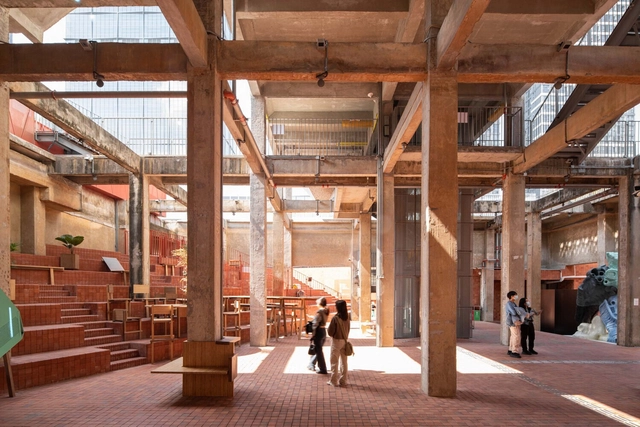
Home Offices Designed For Balance
Remote work has permanently influenced residential design. Instead of creating isolated offices, many homeowners now prefer flexible workspaces that blend naturally into everyday living.
A guest bedroom may double as a workspace during the week, while dining areas can transform into productive environments when necessary. Portable desks, adjustable chairs, sound reducing materials, and wireless technology make these transitions seamless.
The result is a healthier balance between professional responsibilities and personal life without requiring significantly larger homes.
Multi Purpose Rooms Increase Long Term Value
Flexible rooms provide homeowners with exceptional long term value because they can evolve as family needs change. A nursery may become a study room, a hobby space, or eventually a guest bedroom without requiring major structural modifications.
Similarly, finished basements and bonus rooms can serve multiple purposes over time, supporting fitness, entertainment, education, or additional living space.
If homeowners wish to explore further design concepts and renovation inspiration, they can always view more resources from trusted home improvement publications and architectural experts.
Designing Homes For Future Generations
Future focused home design emphasizes adaptability rather than permanence. Wider hallways, accessible bathrooms, adjustable countertops, and movable interior partitions help homes remain practical for occupants of all ages.
Flexible design also supports sustainability because adaptable homes require fewer renovations over their lifetime. Instead of rebuilding rooms whenever lifestyles change, homeowners simply adjust layouts or furnishings to meet new requirements.
While browsing online information about property records or land related services, individuals may occasionally encounter terms such as e dharti apna khata Rajasthan, reflecting the growing role of digital resources in property management.
Comfort Begins With Personalization
Ultimately, the most comfortable home is one that reflects the people living inside it. Flexible spaces encourage personalization by allowing homeowners to rearrange rooms according to changing interests, routines, and priorities.
Whether someone enjoys reading, exercising, hosting friends, or working remotely, adaptable layouts make it easier to create environments that support each activity without compromising comfort or style.
Even while searching for unrelated online portals like Jkpaysys Official Website, homeowners often discover that modern living is increasingly connected with digital convenience, smart planning, and efficient use of available space.
Conclusion
Modern homes are redefining comfort by embracing flexibility instead of rigid room layouts. Multifunctional furniture, adaptable living areas, smart storage, integrated technology, and personalized design allow homes to evolve alongside the people who live in them. These thoughtful spaces improve convenience, maximize functionality, and create environments that remain practical through every stage of life. As lifestyles continue to change, flexible home design will remain one of the most valuable approaches to creating beautiful, efficient, and truly comfortable living spaces.