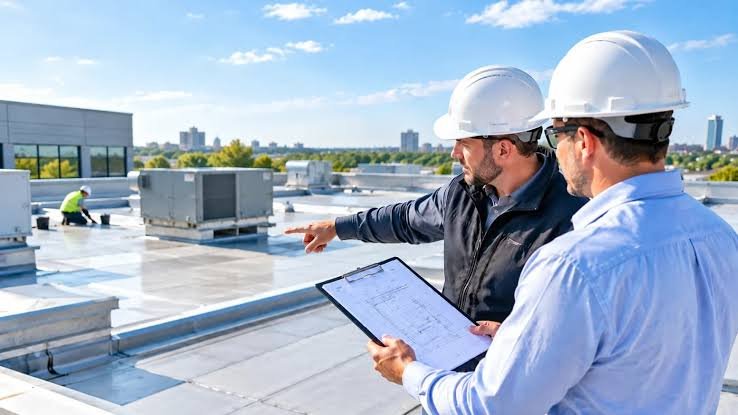
Built for Colorado Weather: The Growing Demand for Metal Roofing in Denver
Denver’s changing weather conditions create unique challenges for commercial property owners. From heavy snowfall and sudden hailstorms to intense sunshine and fluctuating temperatures, buildings require roofing systems capable of handling different environmental pressures. Traditional roofing materials may struggle with prolonged exposure to these conditions, encouraging property owners to explore stronger alternatives. As a result, metal roofing in Denver is gaining attention as a practical solution for businesses seeking durability, energy efficiency, and long-term protection.
Commercial buildings represent significant investments, making reliable roofing an essential part of property management. Metal roofing offers a combination of structural strength, weather resistance, and modern appearance that appeals to warehouse operators, retail businesses, industrial facilities, and office building owners.
Colorado’s Unpredictable Weather Demands Stronger Roofing Solutions
Colorado experiences considerable weather variations throughout the year. Winter storms can leave substantial snow accumulation on rooftops, while spring and summer may bring hail, thunderstorms, and intense sunlight. These changing conditions place continuous pressure on commercial roofing systems.
Metal roofing materials are designed to withstand demanding environmental conditions when properly selected and installed. Their smooth surfaces can encourage snow shedding, although appropriate snow retention systems may be necessary to protect entrances, walkways, and surrounding areas.
Additionally, certain metal roofing systems provide improved resistance to hail damage and wind exposure. Choosing suitable materials, panel thicknesses, and installation methods helps commercial buildings maintain protection during challenging weather conditions.
Durability Makes Metal Roofing a Valuable Commercial Investment
Commercial property owners increasingly consider long-term performance when selecting roofing materials. Frequent repairs and unexpected replacements can interrupt business operations and create additional financial responsibilities.
Metal roofing systems are valued for their durability and ability to resist common forms of deterioration. Unlike some conventional roofing materials, properly protected metal panels are less vulnerable to moisture absorption, cracking, and certain types of weather-related damage.
However, roofing performance depends heavily on material quality, protective coatings, installation techniques, and ongoing maintenance. Selecting an appropriate roofing system helps businesses achieve dependable protection while reducing the likelihood of premature deterioration.
For commercial facilities with large roof areas, this durability can make metal roofing an attractive investment.
Energy Efficiency Supports Better Building Performance
Energy efficiency has become an important consideration for commercial building owners seeking to manage operational expenses. Roofing materials influence how buildings absorb and reflect solar heat, particularly during Denver’s sunny summer months.
Reflective coatings are available on numerous contemporary metal roofing products, which aid in the mitigation of solar heat absorption. Depending on the building’s insulation, ventilation, roof design, and surrounding conditions, these materials may contribute to improved indoor temperature management.
Commercial property owners can also combine metal roofing with suitable insulation systems to enhance overall thermal performance.
By considering roofing materials as part of a broader building efficiency strategy, businesses can create more comfortable environments while potentially reducing cooling demands.
Modern Metal Roofing Complements Commercial Architecture
Metal roofing is no longer associated exclusively with industrial warehouses or agricultural structures. Contemporary roofing systems offer different colors, profiles, finishes, and design possibilities that complement modern commercial architecture.
The clean appearance and concealed fastening systems of standing seam metal roofing have made it a popular choice for commercial properties. Other metal panel configurations may suit industrial facilities, storage buildings, and structures with specific design requirements.
Architects and property developers can select roofing styles that support both practical performance and visual consistency.
This versatility allows businesses to improve building protection without compromising architectural appearance.
Professional Installation Plays an Essential Role
Even high-quality roofing materials can experience problems when installation practices are inadequate. Commercial metal roofing requires careful attention to roof slope, drainage, fastening methods, flashing details, and thermal movement.
Experienced roofing professionals evaluate building requirements before recommending appropriate materials and installation systems. They also consider local building codes, structural capacity, and environmental exposure.
For businesses considering metal roofing in Denver, professional installation helps minimize potential issues involving water infiltration, loose panels, and premature wear.
Routine inspections and preventive maintenance further support roofing performance by identifying minor concerns before they develop into expensive repairs.
Long-Term Value Encourages Greater Interest
Although metal roofing may involve a higher initial investment than certain conventional alternatives, commercial property owners often evaluate expenses over the entire roofing lifespan.
Reduced maintenance requirements, potential energy savings, and extended service life can contribute to favorable long-term ownership costs. Actual financial benefits depend on the selected system, building conditions, installation quality, and maintenance practices.
Metal roofing can also support sustainability objectives because many products contain recycled materials and can be recycled after removal.
These practical advantages are encouraging commercial property owners to consider metal roofing as part of their building improvement strategies.
Conclusion
Colorado’s demanding climate makes dependable commercial roofing especially important. With its durability, architectural versatility, potential energy efficiency benefits, and long-term performance advantages, metal roofing offers a practical option for protecting commercial properties.
As businesses prioritize stronger infrastructure and more reliable building materials, demand for metal roofing in Denver is likely to remain an important consideration in commercial construction and renovation. Choosing quality materials, professional installation, and consistent maintenance helps property owners protect their investments through Colorado’s changing seasons.