Modernizing Traditional Homes While Preserving Their Character
Traditional homes have a timeless appeal that continues to attract homeowners across generations. Their distinctive architecture, handcrafted details, and rich history create a sense of warmth that modern designs often try to replicate. However, older homes may not always meet today’s expectations for comfort, efficiency, or functionality. The challenge lies in introducing modern improvements while respecting the original character that makes these homes special. By making thoughtful design choices, homeowners can enjoy the best of both worlds without sacrificing authenticity.
Respect The Home’s Original Architecture
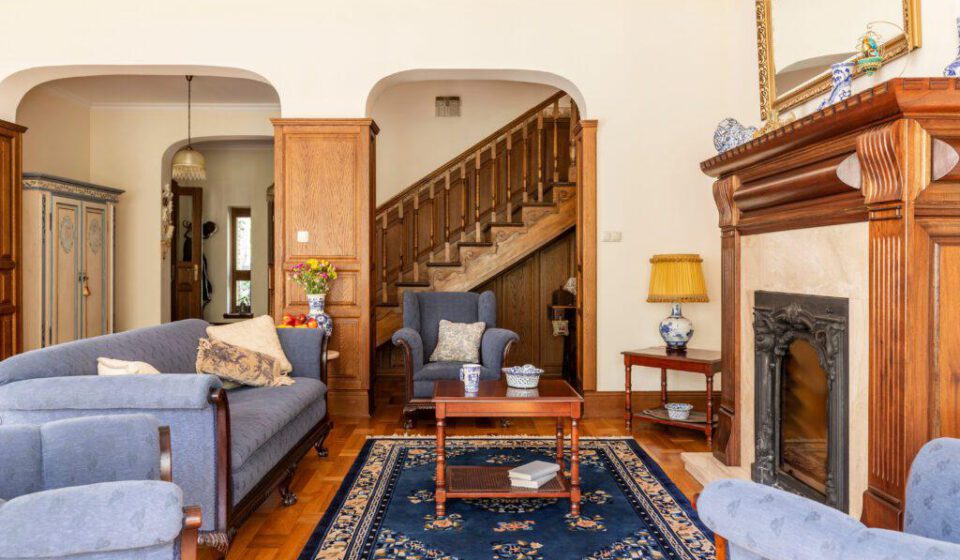
Every traditional home tells a story through its architectural elements. Decorative moldings, hardwood floors, brick fireplaces, exposed beams, and classic window designs all contribute to its unique identity. Rather than replacing these features, homeowners should consider restoring and highlighting them.
Modern upgrades should complement the existing style instead of overpowering it. Preserving original materials wherever possible maintains the home’s historical Value while reducing unnecessary waste. Careful restoration often delivers results that feel both elegant and timeless.
Blend Modern Comfort With Classic Design
A successful renovation does not require turning a traditional home into an ultra contemporary space. Instead, modern conveniences can be integrated discreetly.
Updated insulation, energy efficient windows designed to match original styles, smart climate control systems, and improved plumbing can greatly increase comfort without changing the home’s appearance. Homeowners researching renovation ideas through online business Australia platforms often discover innovative suppliers offering products specifically designed for heritage style properties.
These subtle improvements help homes perform better while allowing traditional craftsmanship to remain the focal point.
Upgrade Kitchens Without Losing Character
The kitchen is often the heart of a home and one of the most popular areas for renovation. While modern appliances improve convenience, they should blend naturally with traditional surroundings.
Natural stone countertops, shaker cabinetry, classic hardware, and warm wood finishes create harmony between old and new. Hidden appliances and integrated storage solutions also preserve visual consistency while adding everyday functionality.
Many designers share renovation inspiration through a business blog guest post Australia, demonstrating how traditional kitchens can incorporate contemporary efficiency without appearing overly modern.
Preserve Original Materials Whenever Possible
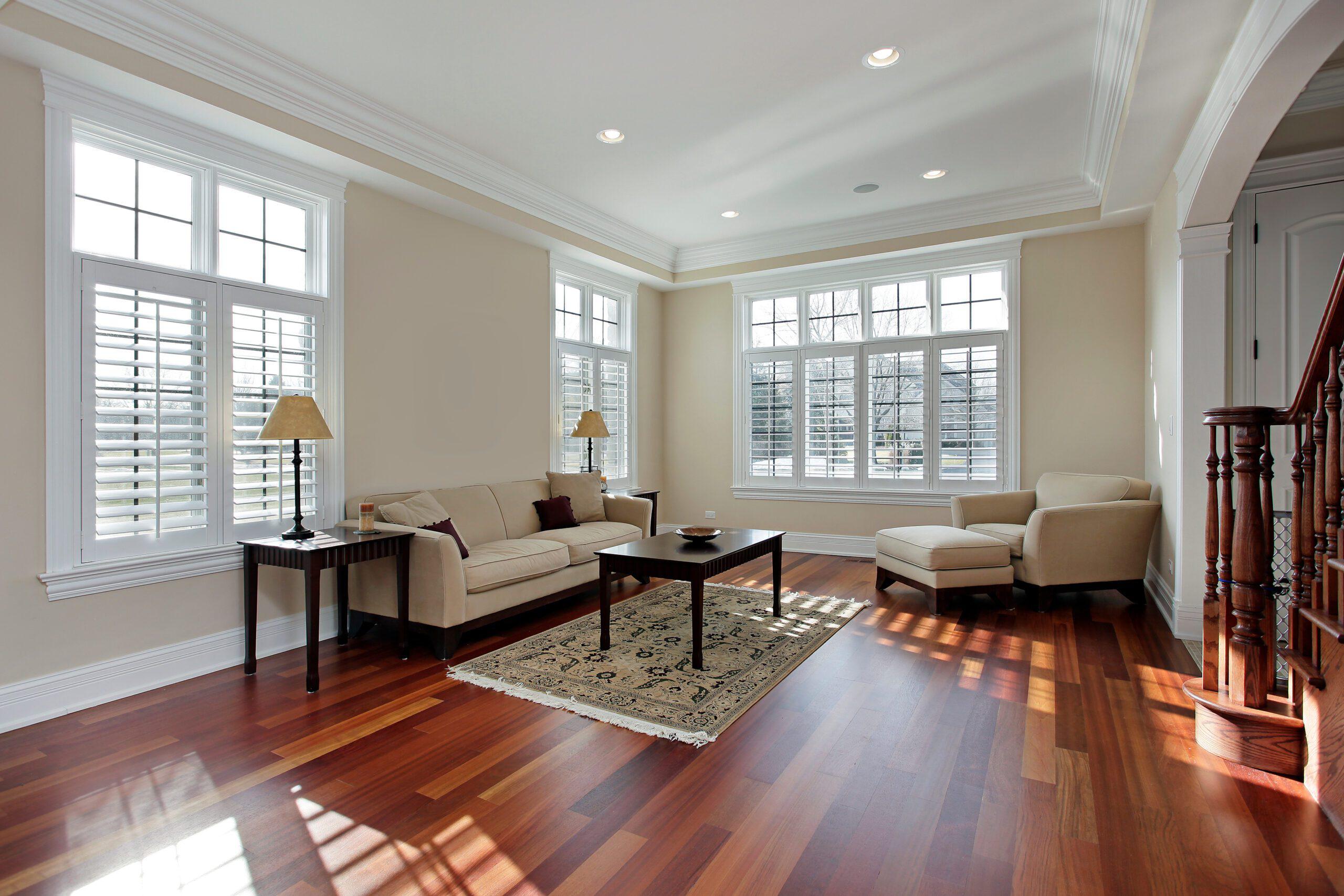
Replacing original building materials should be the last option rather than the first. Hardwood flooring can often be refinished instead of replaced. Original doors, staircases, and timber beams frequently regain their beauty through careful restoration.
Brickwork and stone features develop character over time that cannot easily be replicated with new materials. Restoring rather than replacing these elements also contributes to sustainability by reducing construction waste.
Maintaining these authentic details allows homeowners to celebrate the home’s history while extending its lifespan for future generations.
Introduce Contemporary Lighting Thoughtfully
Lighting has a significant impact on how a traditional home feels. Older homes often benefit from brighter, more efficient lighting while still maintaining a classic atmosphere.
Layered lighting using pendant fixtures, wall sconces, recessed lighting, and decorative lamps creates flexibility for different activities. Selecting fixtures inspired by traditional craftsmanship ensures they complement the home’s overall style rather than competing with it.
Many homeowners discover current design inspiration through lifestyle news Australia, where interior trends frequently demonstrate successful combinations of heritage architecture and contemporary lighting solutions.
Improve Storage Without Changing The Layout
Traditional homes were often designed for lifestyles that required less storage than modern families typically need. Rather than removing walls or dramatically changing floor plans, custom built in cabinetry can maximize available space.
Window seats with hidden storage, shelving that follows existing architectural lines, and furniture designed for multiple purposes all improve practicality while preserving room proportions.
These thoughtful additions support modern living without disrupting the home’s original character.
Focus On Long Term Value
Modernizing a traditional home is about more than appearance. Well planned renovations improve durability, comfort, and property value while maintaining architectural integrity.
Industry reports and Australian SME insights frequently emphasize that thoughtful property improvements tend to deliver stronger long term returns than renovations focused solely on following short lived trends. Homeowners who prioritize quality craftsmanship often enjoy both greater satisfaction and stronger resale appeal.
Taking a measured approach ensures each improvement contributes positively to the home’s future.
Choose Renovations That Respect History
Every renovation decision should begin with an understanding of what makes the home unique. Whether updating bathrooms, replacing roofing materials, or improving energy efficiency, preserving defining architectural features should remain the guiding principle.
Professional designers, restoration specialists, and experienced contractors understand how to balance historical preservation with contemporary requirements. Their expertise helps homeowners avoid costly mistakes while protecting the home’s identity.
Many renovation firms showcase successful restoration projects through business profiles Australia, allowing homeowners to explore practical examples before beginning their own renovations.
Conclusion
Modernizing a traditional home does not require abandoning its heritage. The most successful renovations embrace original architectural features while carefully incorporating improvements that support modern lifestyles. By preserving craftsmanship, respecting historical details, and introducing contemporary comforts with restraint, homeowners can create living spaces that remain both functional and full of character. The result is a home that honors its past while providing comfort and efficiency for many years to come.