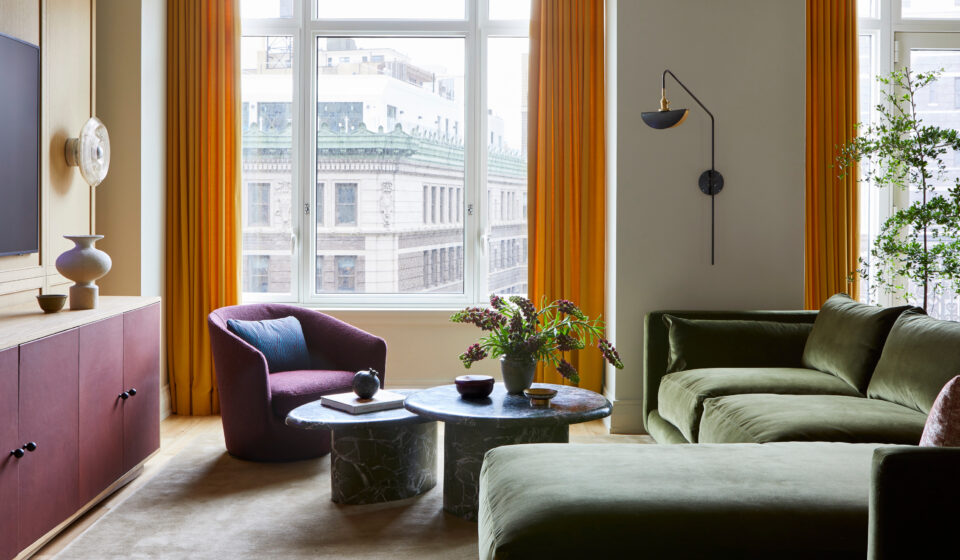
Creating Functional Homes That Support Modern Lifestyles
A home is more than a place to sleep. It is where people work, relax, connect with loved ones, and pursue hobbies. As lifestyles continue to evolve, homes must adapt to changing needs rather than remain fixed in traditional layouts. Functional homes are designed to make everyday life easier while providing comfort, efficiency, and flexibility. By focusing on practical design choices, homeowners can create spaces that support modern living without sacrificing style.
Designing Spaces With Purpose
Every room should have a clear purpose while remaining flexible enough to handle multiple activities. Open living areas, dedicated workspaces, and organized storage help families use every square foot effectively. Instead of filling rooms with unnecessary furniture, selecting pieces that serve multiple functions creates a more practical environment.
A growing interest in smart home design is frequently discussed alongside education news Australia, where learning environments increasingly influence residential spaces. Many families now include study corners or quiet reading areas that encourage concentration and productivity.
Flexible Rooms for Changing Needs
Modern lifestyles rarely remain the same for long. A guest room today may become a home office tomorrow, while a playroom may later transform into a hobby or fitness space. Designing rooms with adaptability in mind helps homeowners avoid costly renovations in the future.
Foldable furniture, movable shelving, and modular seating provide flexibility without reducing comfort. These solutions allow homeowners to make quick adjustments as family needs evolve over time.
Smart Storage Creates Better Organization
Clutter can make Even large homes feel crowded. Functional homes prioritize storage solutions that keep everyday items organized while maintaining a clean appearance.
Built in cabinets, under stair storage, hidden compartments, and vertical shelving maximize available space without making rooms feel smaller. Organized storage also saves time because frequently used items remain easy to access.
Many of the top businesses australia demonstrate similar organizational principles in their workplaces by emphasizing efficiency, accessibility, and thoughtful space planning. These ideas can easily inspire practical residential designs.
Comfortable Living Through Natural Light
Natural light contributes significantly to both comfort and functionality. Large windows, skylights, and glass doors brighten interiors while reducing dependence on artificial lighting during the day.
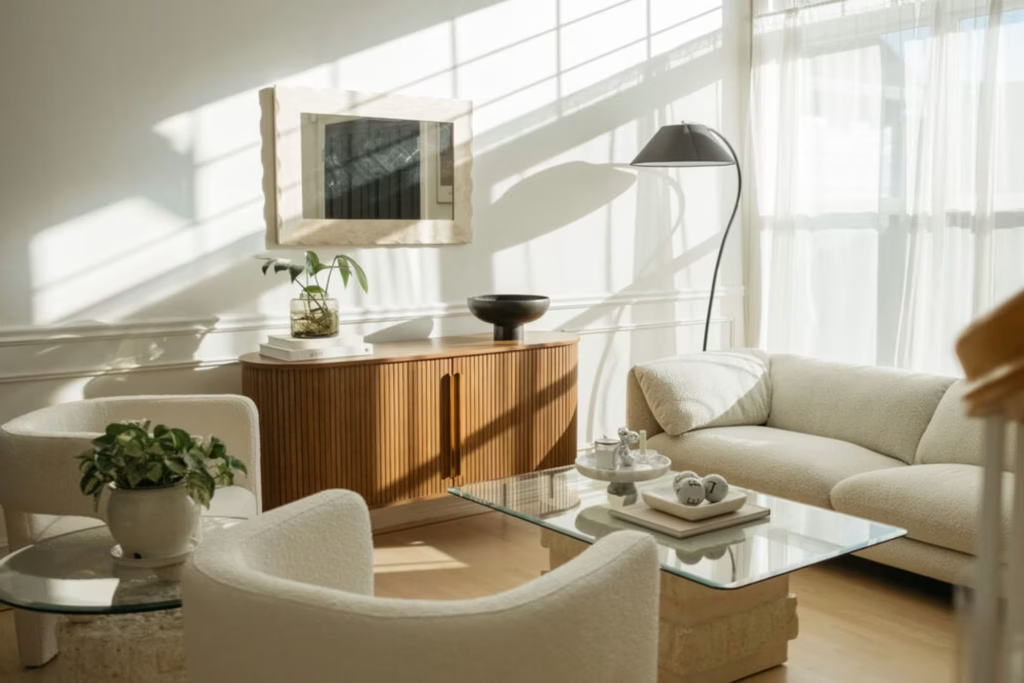
Well positioned windows also improve ventilation, creating healthier indoor environments. Bright spaces often appear larger, more welcoming, and more enjoyable for both daily living and entertaining guests.
Choosing light colored walls, reflective surfaces, and carefully placed mirrors further enhances natural brightness throughout the home.
Creating Technology Friendly Interiors
Technology has become an essential part of everyday life. Homes now need reliable internet connections, accessible charging stations, and thoughtfully positioned power outlets to support remote work, online education, and entertainment.
Instead of allowing cables and devices to create clutter, homeowners can integrate technology into furniture and cabinetry. Hidden charging drawers, wireless charging stations, and cable management systems help maintain clean and organized interiors while supporting modern lifestyles.
Ideas featured on a melbourne lifestyle blog often highlight how contemporary homes successfully blend technology with attractive interior design, proving that convenience and aesthetics can work together.
Outdoor Areas That Extend Living Space
Functional homes do not end at the front door. Outdoor spaces have become valuable extensions of indoor living areas. Patios, balconies, gardens, and decks provide additional room for relaxation, dining, exercise, and social gatherings.
Comfortable seating, weather resistant materials, and thoughtful landscaping allow families to enjoy these spaces throughout much of the year. Even small outdoor areas can become highly functional with careful planning.
Many inspiring sydney local stories feature homeowners who transformed compact backyards into inviting entertainment areas through creative design rather than expensive renovations.
Sustainable Choices Improve Everyday Living
Sustainability has become an important part of modern home design. Energy efficient appliances, water saving fixtures, quality insulation, and durable building materials reduce operating costs while minimizing environmental impact.
Simple habits such as maximizing daylight, improving ventilation, and selecting long lasting materials also contribute to a more functional and environmentally responsible home.
As awareness of urban lifestyle australia continues to grow, homeowners increasingly recognize that sustainable design not only benefits the environment but also creates healthier and more efficient living spaces.
Conclusion
Creating a functional home means designing spaces that support the realities of modern life rather than following temporary design trends. Flexible layouts, practical storage, comfortable lighting, integrated technology, inviting outdoor areas, and sustainable features all contribute to homes that remain useful for years to come. By focusing on functionality alongside style, homeowners can build living environments that adapt to changing needs while making everyday routines simpler, more comfortable, and more enjoyable.